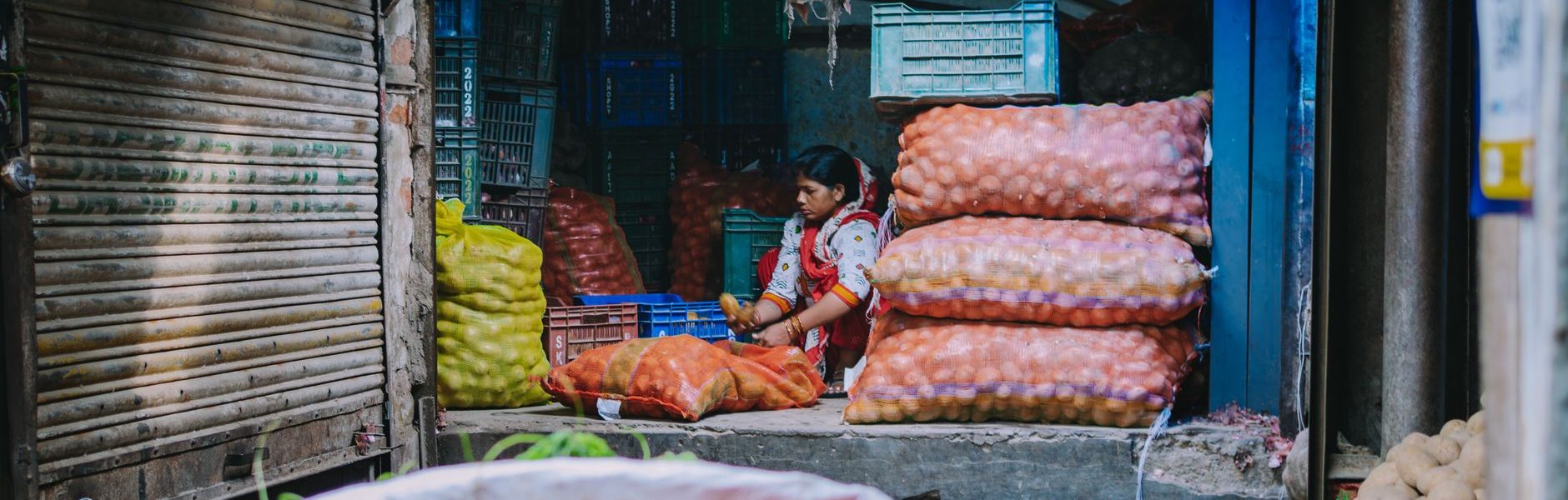

India wholesale inflation has surged to 12.29%, raising concerns about the potential impact on everyday essentials. As fuel prices climb, consumers may face higher costs for basic goods.
Understanding India wholesale inflation
India’s wholesale inflation rate has recently surged to 12.29%, raising concerns about the impact on everyday essentials. This significant increase is attributed to a combination of factors, including rising fuel prices and supply chain disruptions, which have compounded the challenges faced by consumers.
Wholesale inflation reflects the price changes at the wholesale level before they reach retail consumers. When wholesale prices rise, it often leads to an increase in retail prices, particularly for essential goods such as:
- Food items
- Fuels
- Construction materials
- Household products
The current spike in wholesale inflation is particularly troubling for households as it threatens to erode purchasing power. Economists warn that if these trends continue, consumers may face higher prices at the supermarket, making it more difficult to maintain their standard of living. Additionally, inflationary pressures could lead to further economic instability, impacting not just consumers but also businesses reliant on stable prices for their operations.
As the situation develops, it remains crucial for policymakers to address the root causes of inflation, ensuring that essential goods remain accessible and affordable for all segments of the population.
Factors driving inflation in India
The recent surge in India wholesale inflation has raised concerns about the rising costs of everyday essentials. Several factors are contributing to this trend, impacting consumers across the nation.
- Global Supply Chain Disruptions: Ongoing disruptions due to geopolitical tensions and the aftermath of the pandemic have led to increased shipping costs and delays, which directly affect the pricing of goods.
- Rising Fuel Prices: A notable contributor to the current inflation rate is the steep rise in fuel prices. As transportation costs increase, the prices of essential goods inevitably rise, placing additional financial strain on consumers.
- Agricultural Challenges: Weather-related issues, including unseasonal rains and droughts, have impacted crop yields. This has resulted in a decrease in supply, consequently pushing up the prices of food items.
- Increased Demand: As the economy gradually recovers, there is a rising demand for goods and services. This heightened demand, coupled with supply constraints, exacerbates the inflationary pressures.
- Monetary Policy Changes: Adjustments in interest rates by the Reserve Bank of India can influence inflation. Higher rates can slow down economic activity but may also lead to increased costs for borrowers.
These interconnected factors ensure that the impact of India wholesale inflation is felt widely, particularly on essential commodities.
Impact of fuel prices on daily expenses
The impact of rising fuel prices on daily expenses is significant, especially in the context of India wholesale inflation, which recently surged to 12.29%. As fuel costs climb, they inevitably affect the prices of essential goods and services consumed by households across the country.
Fuel is a critical component in the supply chain, and its fluctuations ripple through various sectors. Higher transportation costs lead to increased prices for:
- Food items: Essentials such as vegetables, grains, and dairy products see price hikes as transportation costs rise.
- Household goods: Products like cleaning supplies and personal care items become more expensive due to increased distribution costs.
- Utilities: The cost of electricity and gas can rise as fuel prices increase, impacting monthly bills for households.
Moreover, the rise in fuel prices can lead to a cascading effect on inflation rates. With the cost of production and distribution going up, manufacturers are often left with no choice but to pass these costs onto consumers, further straining household budgets.
In light of these challenges, it becomes crucial for consumers to be aware of the ongoing fluctuations in fuel prices and how they directly influence everyday essentials. This awareness can help families better manage their finances in these trying times.
How inflation affects consumer behavior
The current surge in India wholesale inflation has significantly altered consumer behavior, particularly regarding everyday essentials. As inflation rates reach alarming levels, shoppers are becoming increasingly cautious about their spending habits.
Many consumers are now prioritizing their purchases, often opting for necessities over luxury items. This shift is primarily driven by the rising costs of basic goods, which have forced families to reevaluate their budgets. The following are some notable behavioral changes observed:
- Increased Price Sensitivity: Shoppers are more aware of price changes and actively seek discounts and promotions.
- Bulk Purchasing: Many families are buying in bulk to save money in the long run, especially for non-perishable items.
- Switching Brands: Consumers are more willing to switch to cheaper or generic brands to mitigate the impact of rising prices.
- Reduction in Non-Essential Spending: Many are cutting back on discretionary expenses, such as dining out and entertainment.
This shift in consumer behavior not only reflects the immediate effects of inflation but also indicates a longer-term adjustment to the economic landscape in India. As the country grapples with the implications of heightened wholesale inflation, understanding these changes becomes crucial for businesses and policymakers alike.
Government measures to control inflation
The Indian government has been taking several measures to combat the rising trend of wholesale inflation, which recently reached 12.29%. This increase poses a significant threat to the affordability of everyday essentials for consumers across the nation.
In response to the escalating prices, the government has implemented a range of policies aimed at stabilizing the economy and ensuring that basic goods remain accessible. Key initiatives include:
- Export Restrictions: The government has imposed restrictions on certain agricultural exports to ensure that domestic supply remains sufficient, thereby curbing price increases.
- Subsidies: Financial support is being provided to farmers and manufacturers to help them mitigate rising production costs, which can influence retail prices.
- Price Monitoring: Authorities are closely monitoring the prices of essential commodities to identify and address any unjustified spikes in costs.
- Public Distribution System Improvements: Enhancements to the public distribution system aim to provide more reliable access to essential goods at subsidized rates for low-income families.
These measures are crucial in addressing the challenges posed by wholesale inflation in India, as they not only aim to stabilize prices but also protect consumers from the worst effects of rising costs on their daily lives. The government’s proactive approach reflects its commitment to ensuring food security and economic stability amid ongoing price pressures.
Future outlook for India’s economy
The future outlook for India’s economy remains uncertain as the country grapples with high wholesale inflation rates, currently hitting 12.29%. This level of inflation significantly impacts everyday essentials, raising concerns among consumers and policymakers alike.
Analysts predict that if inflation persists, it could lead to a substantial decline in purchasing power for Indian households. The ongoing rise in wholesale prices may further exacerbate the cost of essential goods, forcing families to adjust their budgets and spending habits. This shift could result in reduced consumer confidence, ultimately affecting economic growth.
Moreover, the global economic landscape plays a crucial role in shaping India’s inflation trajectory. Factors such as international commodity prices, supply chain disruptions, and geopolitical tensions could influence wholesale inflation rates in the coming months. As a result, businesses may face challenges in managing production costs, which could be passed on to consumers.
In response to these challenges, the government is expected to implement additional measures to stabilize prices and protect consumers from the worst impact of wholesale inflation. This may include subsidies or interventions in the agricultural sector to ensure that essential goods remain affordable.
- Increased focus on sustainable practices
- Expanding digital payment systems
- Strengthening supply chains
Overall, the future of India’s economy hinges on effective strategies to combat the surge in wholesale inflation and its repercussions on everyday essentials.
India wholesale inflation has led to significant price hikes in essential goods, making daily life more challenging for many households. As a result, consumers are feeling the worst impact on everyday essentials, forcing them to adjust their spending habits.
Photo by Pramod Tiwari on Pexels
Sources
Related reading