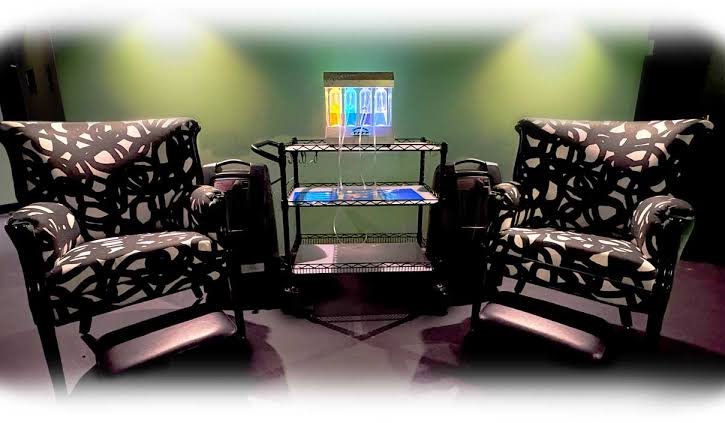

Oxygen bar appointments can sound either futuristic or casual, depending on the page. Readers benefit from a grounded approach: understand the setting, the duration, the available scents or pairings, and the reason for booking. The appointment should be treated as a spa experience unless a qualified professional says otherwise.
Start by identifying the setting
An oxygen bar is different from a massage table, sauna, or float room. It is often seated, time-bound, and easy to pair with another service. That can make it appealing for someone who wants a smaller appointment, but it also means readers should avoid importing expectations from other kinds of care.
The first comparison question is whether the person wants a short seated experience or a more immersive spa service.
Read the page for what actually happens
Sante’s oxygen page describes a 30-minute oxygen bar, aromatherapy scent options, and the possibility of pairing oxygen with massage or a hand-and-foot service. Those specifics on the oxygen therapy spa treatment page are the details readers can use for planning.
The page’s benefit language should be handled carefully. For editorial purposes, it is better to say what the appointment includes than to promise what every person will feel afterward.
Before booking, check these points
- Ask whether the oxygen bar is the main service or an add-on.
- Check whether the scent choices are suitable for personal sensitivities.
- Decide whether a seated 30-minute format is enough for the goal.
- Avoid framing the appointment as medical care.
- Call ahead if there are respiratory, fragrance, or health concerns.
Where it fits in a spa day
Oxygen bar time may work as a light add-on during a shared spa visit, a curiosity-driven stop, or a shorter appointment when the reader does not want heat, float time, or massage. It is less suitable when someone wants deep quiet, bodywork, or a service with no scent component.
If oxygen feels more useful as an add-on than a standalone visit, the massage and oxygen pairing options give readers another way to think about the appointment.
How to avoid overclaiming a newer spa format
Oxygen bar content can drift into exaggerated language quickly because the service feels less familiar than massage or facials. A careful article should stay close to the observable details: seating, timing, scent options, pairing choices, and the general spa setting.
That restraint helps readers too. Someone can be curious about the experience without needing a dramatic promise. They may simply want a short, seated appointment that feels different from their usual spa choices.
The scent options deserve attention because fragrance is personal. A calming aroma for one guest can be distracting for another. Readers with sensitivities should ask questions before booking, especially if they are pairing oxygen with another service.
A grounded oxygen appointment is therefore a matter of fit. If the format, scent, and time commitment appeal to the reader, it can be considered as a light spa stop without turning it into a medical recommendation.
The article can also help readers decide whether oxygen should be the feature or the side note. Some may want to sit at the bar as the whole appointment. Others may only consider it if they are already booking massage or a hand-and-foot service.
That distinction changes expectations. A main-service booking should feel worthwhile on its own, while an add-on should be judged by whether it complements the visit without making the schedule feel crowded.
A grounded oxygen bar decision comes from knowing the format, not from chasing claims. If the reader wants a brief seated spa experience and the scent options fit, it can be considered as one part of a broader local wellness day.